Trong bài viết này Aumi sẽ giới thiệu đến mọi người về thiết bị cảm biến nhiệt độ Sick Việt Nam là gì? Cấu tạo và tính ứng dụng của nó. Hãy cùng tìm hiểu nhé!
Sensor là gì?
Sensor là một thuật ngữ chuyên ngành dùng để chỉ các loại cảm biến, đầu dò, công tắc hoặc một loại thiết bị cảm nhận nào đó. Là các loại thiết bị có các bộ phận cảm nhận, tiếp xúc theo một phương thức nào đó để có thể đo lường các đại lượng hay hiện tượng vật lý. Bên cạnh đó các sensor còn có các bộ phận xử lý tín hiệu và cho ra các dạng tín hiệu khác nhau để người dùng có thể kết nối với các thiết biết hỗ trợ và điều khiển.
Vì sensor là một cụm từ chung để chỉ các loại thiết bị có khả năng đo lường và giám sát. Bên cạnh đó thì các loại sensor chuyên dụng sẽ có khả năng hoạt động trong nhiều môi trường khác nhau. Thế nên để có thể nói đến các ứng dụng của sensor chúng ta hoàn toàn không thể nói hết trong một phần của bài viết.
Ứng dụng của cảm biến nhiệt độ
Một trong những ứng dụng phổ biến nhất của các loại cảm biến nhiệt độ hiện nay đó là trong ứng dụng công nghiệp và chế tạo. Chúng ta cần đo lường nhiệt độ trong các ứng dụng có nhiệt độ cao, vừa và thấp tùy vào môi trường mà chúng ta ứng dụng có mức nhiệt trong khoảng bao nhiêu. Tuy nhiên thì theo mình thấy dòng cảm biến nhiệt độ được dùng nhiều nhất đó là cảm biến nhiệt độ PT100. Với thang đo trong khoảng 0-600°C cho phép chúng ta có thể ứng dụng trong hầu hết các loại môi trường có mức nhiệt thường thấy nhất.
Bên cạnh đó Temperature sensor còn được ứng dụng trong các lĩnh vực nông nghiệp, công nghệ sau thu hoạch. Đặc biệt là trong các ứng dụng bảo quản nông sản sau thu hoạch. Như chúng ta đã biết thì nông sản cần bảo quản tại một nhiệt độ phù hợp, thường là bảo quản trong phòng lạnh. Chúng ta cũng có thể thấy trong các xe container có thùng lạnh thường sẽ chuyên chở các loại thực phẩm, hải sản, trái cây, rau quả,…Chúng cần đo giám sát nhiệt độ thông qua các cảm biến để đảm bảo mức nhiệt phù hợp.
Cấu tạo của cảm biến nhiệt độ
Thông thường một cảm biến nhiệt độ sẽ có 4 bộ phận như sau:
- Là bộ phận cảm biến (thường gọi là đầu dò) là nơi tiếp xúc với vật liệu cần đo.
- Là các cổng kết nối dùng để đấu dây như nguồn hay đấu dây sang bộ chuyển đổi tín hiệu analog 4-20mA, vv…
- Là bộ phận bảo vệ đầu đo cảm biến, nó thường được làm bằng INOX. Có rất nhiều kích thước để chúng ta lựa chọn như 6mm, 8mm, 10mm, 15mm, vv…
- Là nắp bảo vệ các mối đấu dây điện giúp chống các tác nhân gây hại như nước, bụi, vv…
Bên cạnh đó thì chúng ta sẽ có các loại cảm biến nhiệt độ khác nhau dùng trong từng mức nhiệt khác nhau, các bạn có thể tham Các loại cảm biến nhiệt độ Sick Việt Nam để có thể biết thêm thông tin nhé.
Cảm biến nhiệt độ Sick Việt Nam
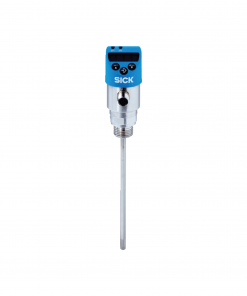
Ưu điểm nổi bật của sản phẩm
- Giám sát nhiệt độ dễ dàng
- Rất đáng tin cậy. Vỏ chống tia nước, vật liệu cao cấp, thiết kế chắc chắn, và công nghệ đã được kiểm chứng thực tế
- Đổ ổn định, độ chính xác và độ tuyến tính rất tốt
- Tín hiệu đầu ra có thể lựa chọn PNP hoặc NPN, đầu ra analog 4 mA … 20 mA hoặc 0 V … 10 V
- Dải đo hoạt động –20 °C … +120 °C
- Pt1000 element, độ chính xác class A theo (IEC 60751)
Quý khách hàng có nhu cầu tìm mua các sản phẩm cảm biến nhiệt độ Sick Việt Nam. Vui lòng liên hệ ngay đến AUMI để được tư vấn và hỗ trợ tốt nhất nhé.
Thông tin liên hệ
CÔNG TY TNHH THIẾT BỊ CÔNG NGHIỆP VÀ TỰ ĐỘNG HÓA AUMI
Địa chỉ: B44, Lô nhà vườn, KĐT Việt Hưng, Phường Giang Biên, Quận Long Biên, Hà Nội
Hotline:
- Hà Nội: 0917 991 589
- Hồ Chí Minh: 0932 226 100
Email: aumi@aumi.com.vn