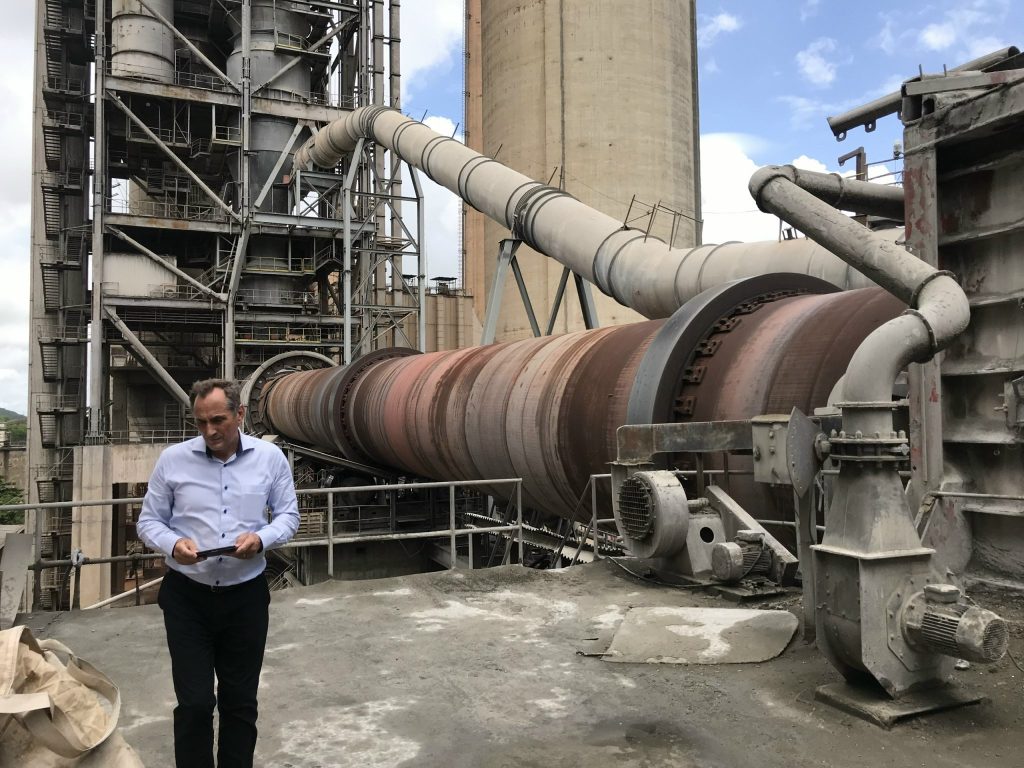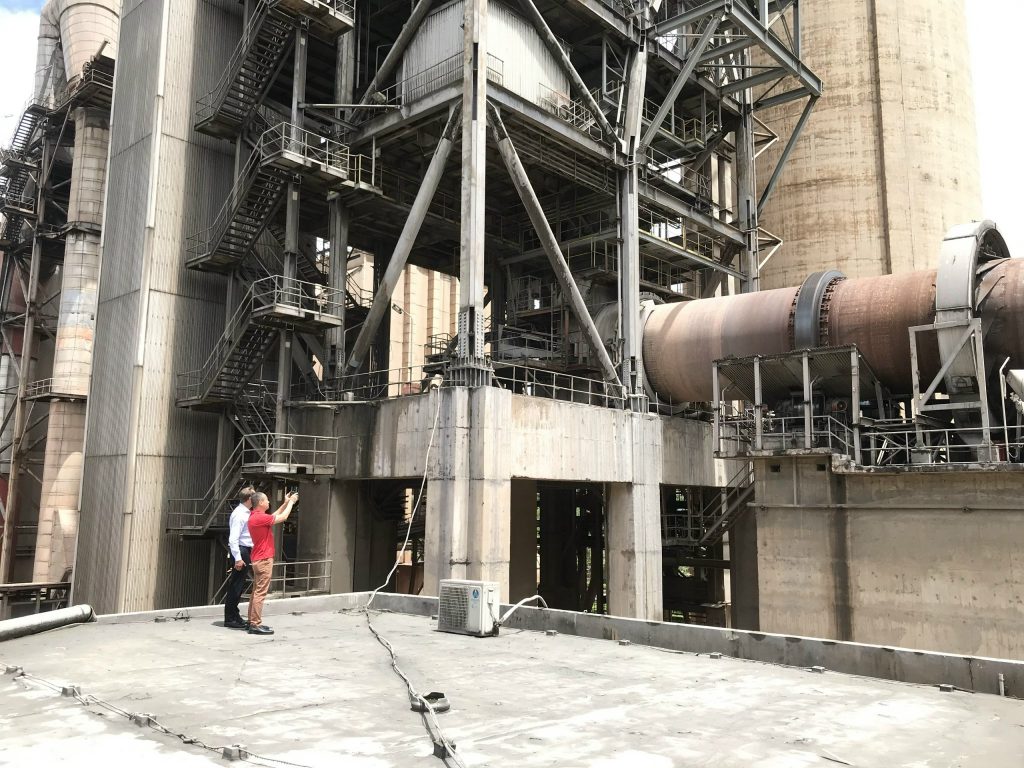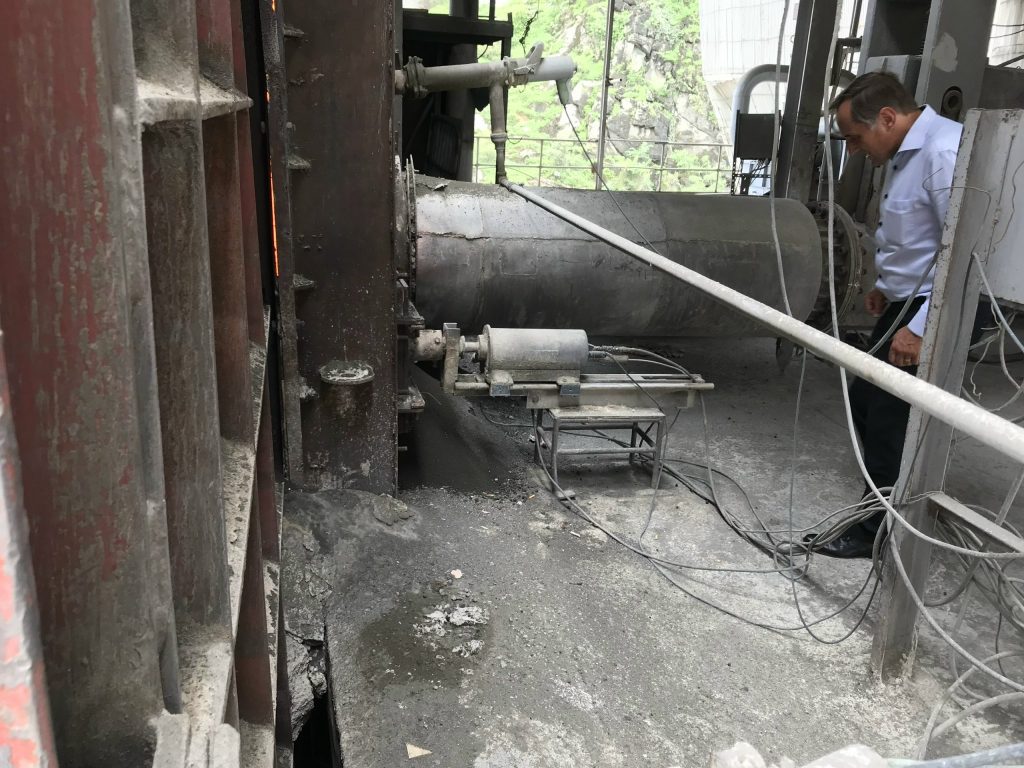
A researcher contrast industrial-control-system confidence during Idaho National Laboratory.
CREDIT: Idaho National Laboratory
The many successful doctors are mostly those who diagnose a disease, and afterwards yield a cure.
Moscow’s Kaspersky Lab might have that proverb in mind. The anti-virus program maker, a third-largest in a world, has been during a forefront of anticipating and exposing state-sponsored malware that targets industrial control systems using supervisory control and information merger (SCADA) software.
Now Kaspersky Labs has suggested that it’s spent 10 years building a mint handling complement directed during severely beefing adult a confidence of industrial control systems — and presumably minimizing a hazard of cyberwarfare.
“You could consider behind to ‘Die Hard 4′ — where an conflict on infrastructure plunged flattering many a whole nation into chaos,” wrote association co-founder and CEO Eugene Kaspersky on his personal blog yesterday (Oct. 16). “Alas, John McClane isn’t around to solve a problem of exposed industrial systems, and even if he were — his common methods of choice wouldn’t work. So it comes down to KL to save a world, naturally!”
Kaspersky told a tech-news blog Threatpost (which his association owns) that a handling system, code-named “11.11,” is being created from blemish and will hang around existent ICS and SCADA applications so that they can run unaltered in a secure environment.
“The plan has already upheld many stages from a low suspicion towards a antecedent piloting on a dedicated industrial installation,” Kaspersky told Threatpost. “Still many to do to make it occur — we will keep we updated about a progress.”
So how can an anti-virus association attain where normal operating-system makers like Microsoft, Apple or a UNIX village have failed?
“Our complement is rarely tailored, grown for elucidate a specific slight task, and not dictated for personification Half-Life on, modifying your vacation videos, or blathering on amicable media,” Kaspersky pronounced on his blog. “We’re operative on methods of essay program that by pattern won’t be means to lift out any behind-the-scenes, undeclared activity.”
Still, no matter how good Kaspersky’s OS turns out to be, it’s doubtful to find extended acceptance in a Western world.
The U.S. government, already worried about Chinese networking program and hardware, would be really demure to concede American vicious infrastructure to be tranquil by program built in Russia — generally by a organisation rumored, maybe unfairly, to have ties to a Kremlin.
Addressing a simple need
That doesn’t meant that Eugene Kaspersky and his association are wrong in identifying, and perplexing to fix, a problem. Fundamentally, industrial control systems are designed for strong reliability, not security.
“Uninterrupted smoothness of prolongation is of peerless significance during any industrial intent in a world,” Kaspersky forked out in his personal-blog posting. “Security is relegated to second place.”
Ever given a Stuxnet worm took over an Iranian nuclear-fuel estimate trickery in a summer of 2010, causing millions of dollars in damage, confidence researchers have had fun demonstrating a weaknesses of industrial control systems.
One organisation showed how a customary program problem could means all a dungeon doors in a prison to open during once. Another researcher has found and publicized flaws in program done by several vital manufacturers of industrial-control devices.
A second problem is that few industrial control systems were ever meant to be connected to a Internet. But for reasons of cost and convenience, many, if not most, have been, permitting an easy process of infiltration by remote attackers.
Yet even network siege doesn’t entirely strengthen a system. Stuxnet putrescent a Iranian trickery by roving in aboard a USB peep drive.
Yippie kay yay
Kaspersky’s not alone in channeling Bruce Willis when perplexing to creation a indicate about a distrust of industrial control systems.
Scenarios imitative “Die Hard 4″ have been invoked several times in a past few months by tip American officials, including President Barack Obama and Defense Secretary Leon Panetta, as partial of an altogether White House and Pentagon debate to vigour private attention into strengthening a confidence of “critical infrastructure” mechanism systems.
Last week, Panetta warned business executives that a “cyber Pearl Harbor” loomed in that rivalry hackers would derail trains, pervert H2O reserve and hit out energy grids. In July, Obama penned a Wall Street Journal op-ed square that painted a identical nightmare.
American officials might be singly competent to know industrial control complement vulnerabilities. It was roughly positively a U.S. that designed and deployed a Stuxnet worm.
Locking down a world
Yet even as a American supervision has been scheming to urge itself conflicting cyberwarfare, a Russian supervision has been holding an conflicting tack, during slightest publicly.
The Kremlin, along with a United Nations’ International Telecommunication Union (ITU), wants an general covenant ominous cyberweapons, along a lines of long-standing bans on chemical and biological weapons. The U.S. has wavered between hostile such a covenant and similar to during slightest speak about one.
Kaspersky Lab is a secretly hold company, though Eugene Kaspersky has been really outspoken about ancillary a Kremlin’s line. He’s been an active supporter for a cyberweapons treaty.
On a investigate front, Kaspersky Lab has worked closely with a ITU in tracking down and identifying one square of state-sponsored malware after another: Flame, Gauss and, only this week, miniFlame.
All 3 have pounded mechanism systems in Iran and Lebanon, and all — according to Kaspersky Lab — are related to Stuxnet. Kaspersky Lab won’t categorically contend a pieces of malware are American creations, though a deduction is clear.
On a online tech forum Slashdot, commenters were carrying a grand time deliberating a Kaspersky SCADA OS.
“Monitoring and ‘remote support’ by KGB enclosed giveaway with each purchase!” wrote one.
Another responded, “Are we Putin us on?”
“I was Russian to contend a same thing, though we kick me to it,” wrote a third. “I’m Stalin to consider that this whole thing is a hoax.”